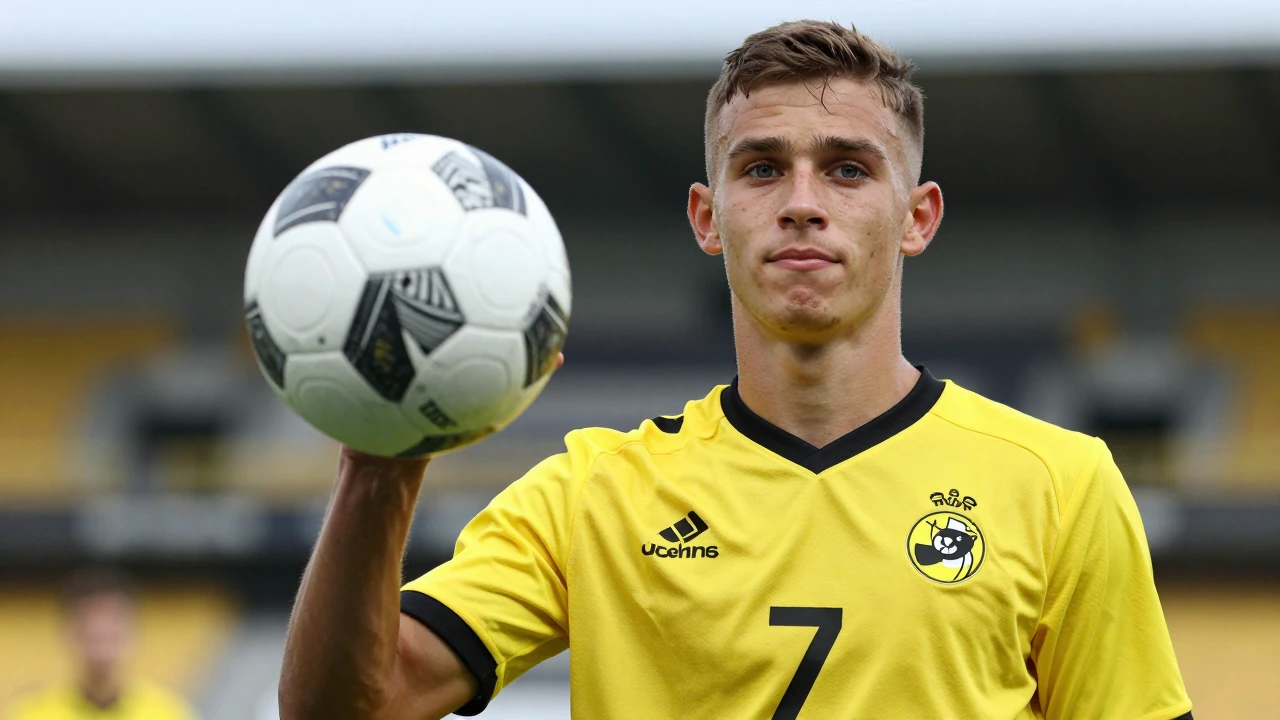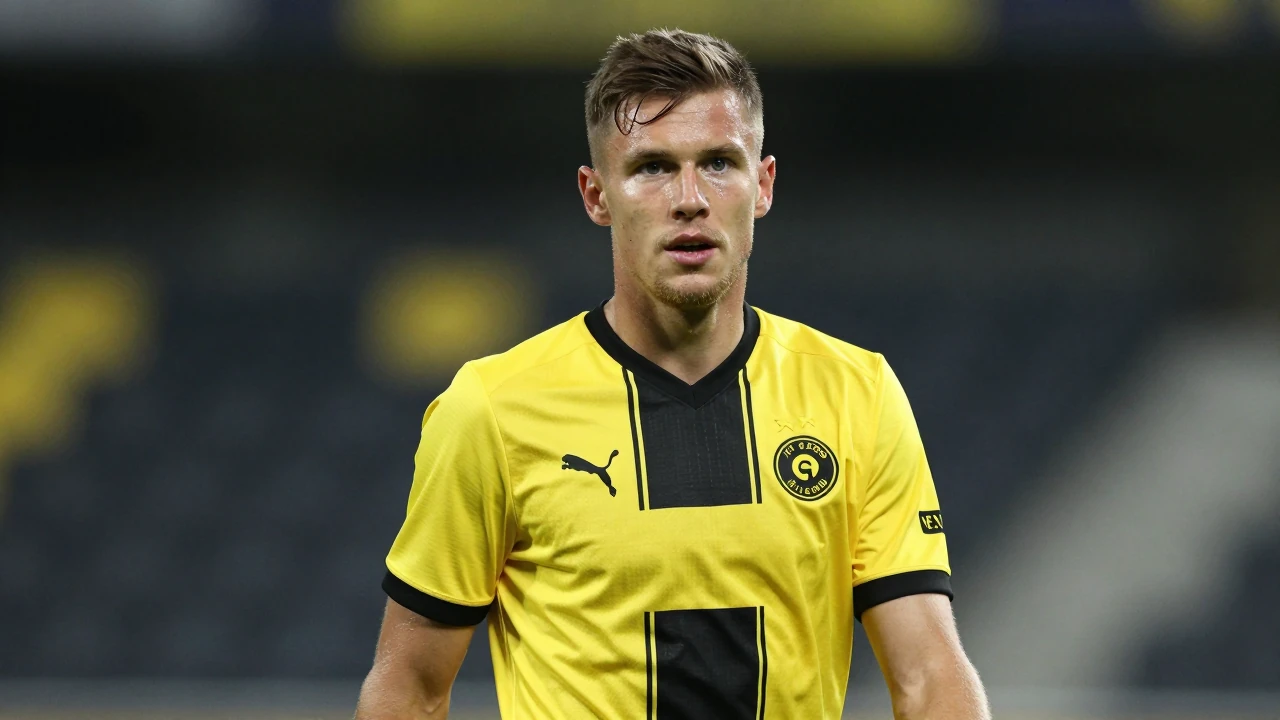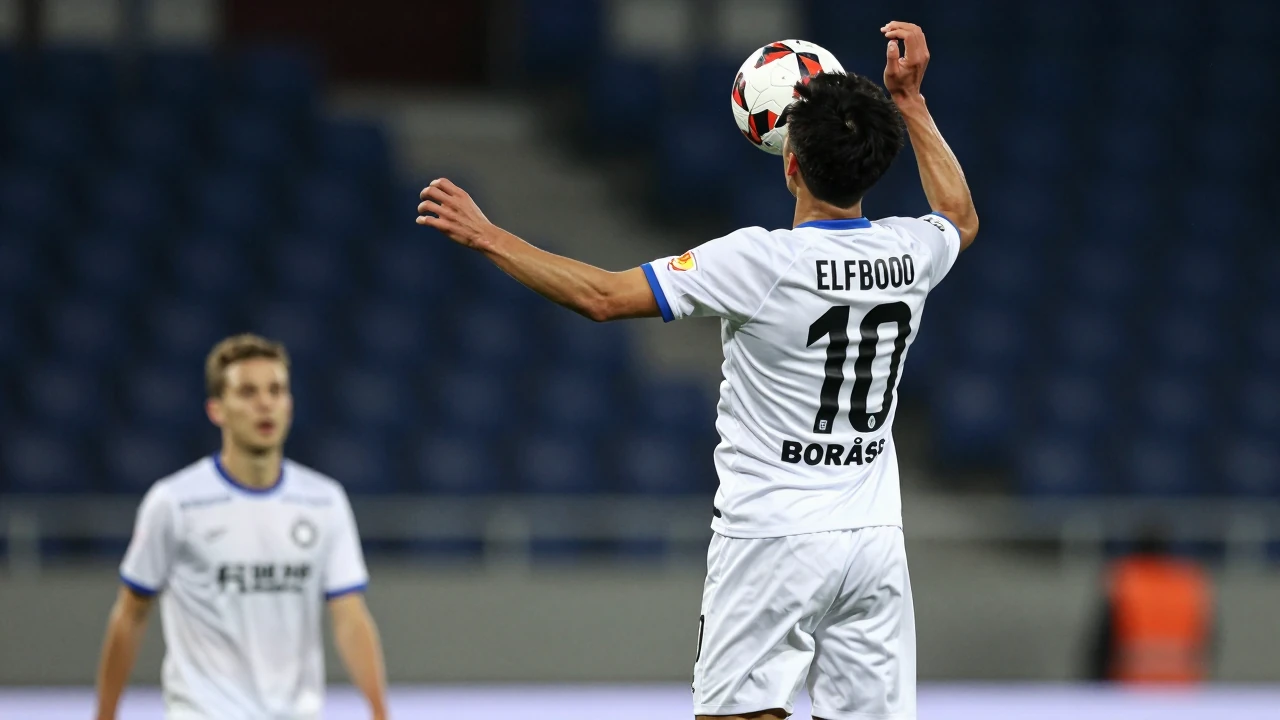
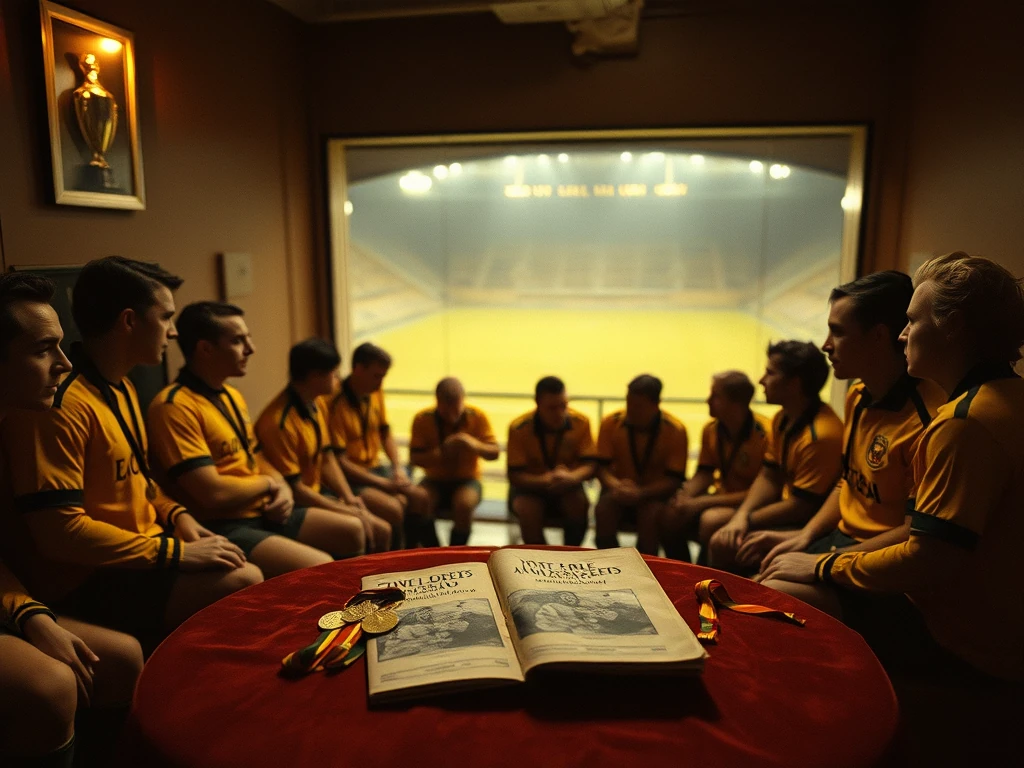
During the 1940s, IF Elfsborg experienced one of the most successful periods in the club's history. With a stable squad and a strong team spirit, Elfsborg established itself as one of the leading clubs in Allsvenskan. This era was marked by a series of impressive performances, where the team often challenged traditional powerhouses like IFK Göteborg and Malmö FF.
One of the most memorable seasons came in 1944 when Elfsborg reached the semifinals of the Svenska Cupen. With a combination of talented players and an innovative playing system, the team attracted both supporters and media attention. Among these stars was Gunnar Nordahl, who later became a legend at AC Milan, showcasing remarkable skill and determination on the pitch.
It was also during this time that the Elfsborgarna began to develop a strong identity. The club's colors, yellow and black, became a symbol of fighting spirit and resolve. The supporters, known for their dedication, contributed to a fantastic atmosphere at Borås Stadion, making it a difficult place for opponents to visit.
The 1940s laid the foundation for future successes and showed that Elfsborg could compete with the best teams in Sweden. While this era may seem forgotten to many, it is essential to recognize its significance for the club's development and for Swedish football as a whole. IF Elfsborg's achievements during this time serve as a reminder of the club's rich history and its place in the heart of Borås.
Today, as we look back on these glory days, it is easy to understand why Elfsborgarna continue to take pride in their legacy. By honoring the past, the club can continue to inspire future generations of players and supporters, striving for new triumphs in the years to come.